
Paagman.nl
A Fatal Inversion - Barbara Vine
A Fatal Inversion - Barbara Vine
3 days
Verzendkosten € 6,99
Niet op voorraad
15,95


Gevonden bij 1 winkel vanaf
€ 15,95
(minder betalen?)
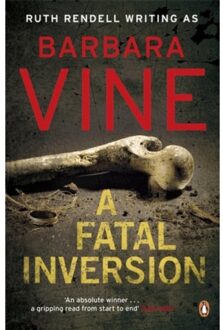
A Fatal Inversion - a classic thriller from the queen of crime Barbara Vine. An absolute winner ...a gripping read from start to end . ( Daily Mail ). Brilliant. Vine has the kind of near-Victorian narrative drive ...that compels a reader to go on turning the pages . ( Sunday Times ). In the long hot summer of 1976, a group of young people are camping in Wyvis Hall. Adam, Rufus, Shiva, Vivien and Zosie hardly ask why they are there or how they are to live; they scavenge, steal and sell the family heirlooms. In short, they exist. Ten years later, the bodies of a woman and child are discovered in the Hall's animal cemetery. Which woman? Whose child? I defy anyone to guess the conclusion ...the clues are cunningly planted, so that it seems one should have known all along. A most satisfying end . ( Daily Telegraph ). Nimbly written with all the Dickensian values of vivid characterization, fine prose style and a cunningly devised plot that shifts and twists and keeps you on the edge of your chair . (Val Hennessy, Daily Mail ). A Fatal Inversion is a modern classic of the crime genre. If you enjoy the novels of P.D. James, Ian Rankin and Scott Turow, you will love this book. Barbara Vine is the pen-name of Ruth Rendell. She has written fifteen novels using this pseudonym, including A Fatal Inversion and King Solomon's Carpet which both won the Crime Writers' Association Gold Dagger Award. Her other books include: A Dark Adapted Eye ; The House of Stairs ; Gallowglass ; Asta's Book ; No Night Is Too Long ; In the Time of His Prosperity ; The Brimstone Wedding ; The Chimney Sweeper's Boy ; Grasshopper ; The Blood Doctor ; The Minotaur ; The Birthday Present and The Child's Child .A Fatal Inversion - een klassieke Engelstalige thriller van de koningin van de misdaad: Barbara Vine.
‘Een absolute winnaar ... een aangrijpend van begin tot eind.’ (Daily Mail). ‘Briljant. Vine heeft de aard van de bijna-Victoriaanse verhalende ... dat een lezer dwingt om de pagina’s om te blijven slaan.’ (Sunday Times).
In de lange hete zomer van 1976, kampeert een groep jonge mensen in Wyvis Hall. Adam, Rufus, Shiva, Vivien en Zosie vragen zich nauwelijks af waarom ze er zijn of hoe ze moeten leven; ze scharrelen, stelen en verkopen van familiestukken. Kortom, ze bestaan. Tien jaar later, de lichamen van een vrouw en kind worden ontdekt in de Hall's dierenbegraafplaats. Welke vrouw? Wiens kind? Ik daag iedereen uit de conclusie raden ... de aanwijzingen zijn listig geplant, zodat het lijkt dat men het al die tijd moet hebben geweten.